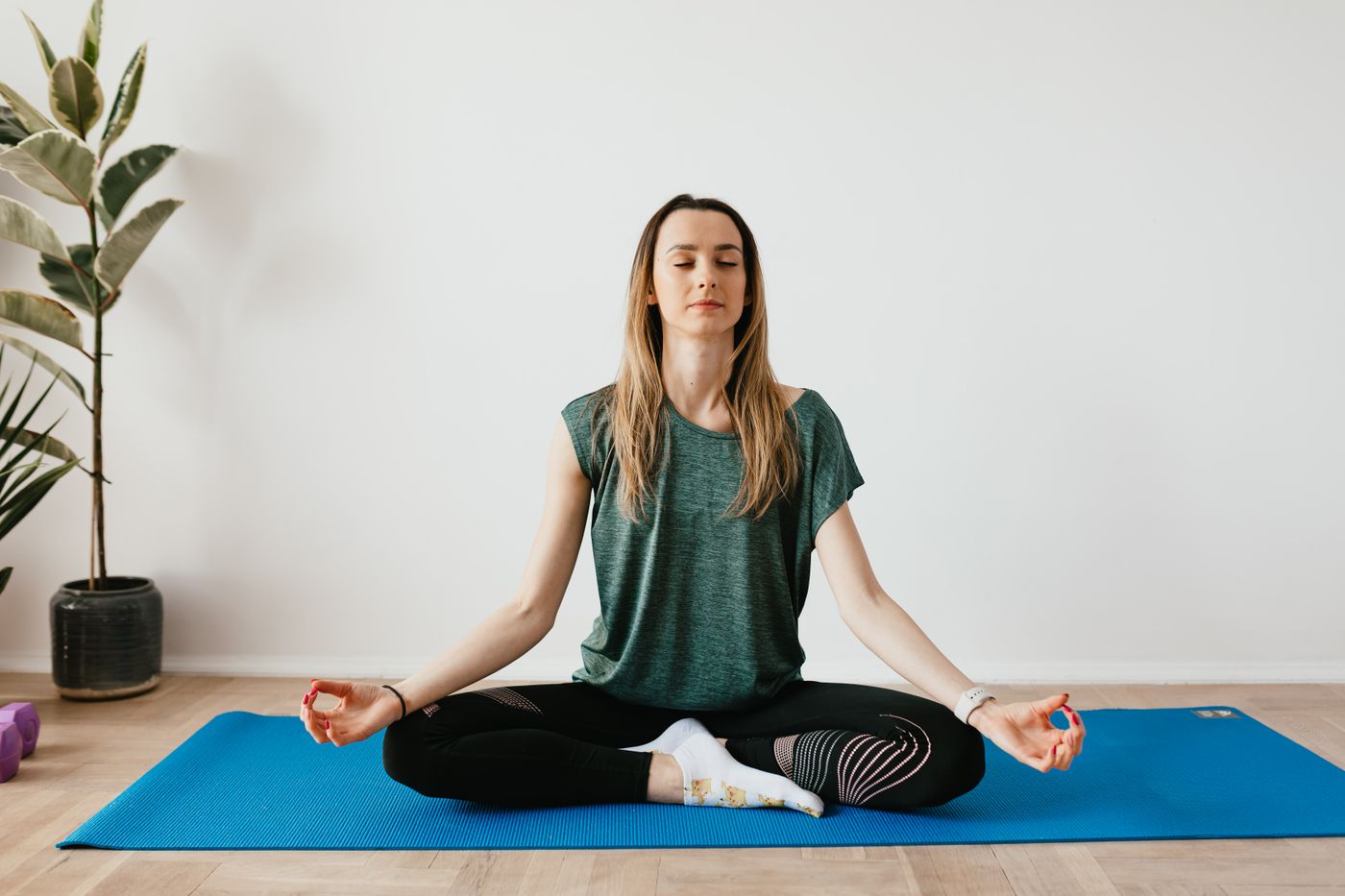
Breathing is the only function in your body that happens automatically, yet you can also consciously control it. That very duality is what makes breath such a powerful calming tool — a direct bridge between your body and your mind.
Why does deep breathing calm the nervous system?
When you feel stressed or anxious, your sympathetic nervous system ("fight or flight") activates, speeding up your heartbeat and making your breathing shallow and rapid. Slow, deep breathing sends a direct signal to the opposite system (the "rest and digest" system), gradually slowing your heart rate and returning your body to a calmer state — almost instantly.
A simple breathing exercise you can try right now
The "4-7-8" technique is one of the simplest and best-known breathing exercises, and you can practice it anywhere:
- Take a deep breath in through your nose for four seconds.
- Hold your breath for seven seconds.
- Exhale slowly through your mouth for eight seconds.
- Repeat this cycle four times in a row.
When does conscious breathing help you most?
- Before a situation that causes you stress, like an important meeting or a difficult conversation.
- In a sudden moment of anxiety or panic.
- As part of a steady daily routine, even just two minutes in the morning or evening.
- As a companion tool, not a replacement, for professional mental health support if your anxiety is persistent and severe.
Want to understand anxiety itself more?
Our "Understanding Anxiety" article on the blog explains when anxiety is normal and when it deserves more attention.
Read the Article