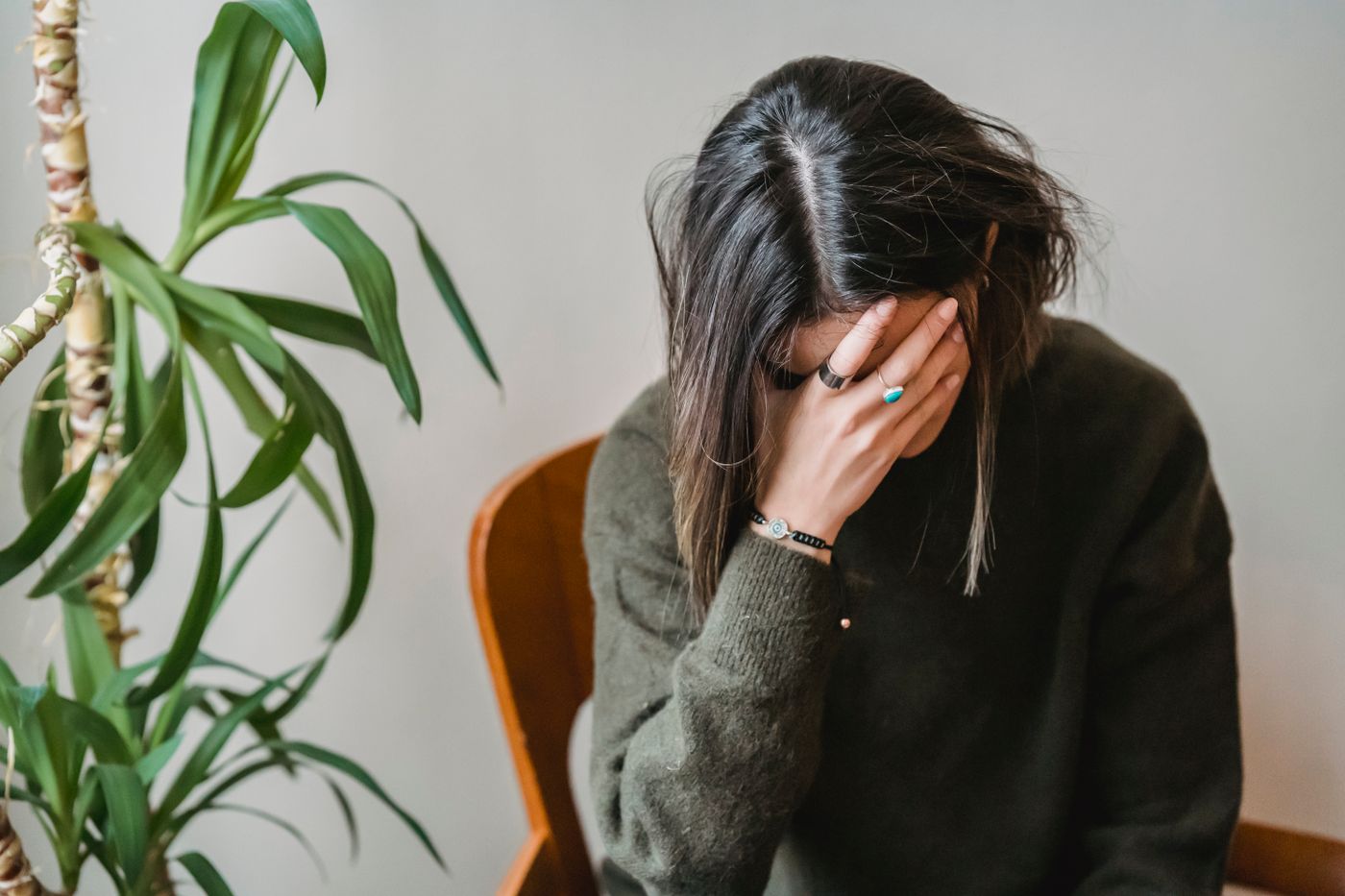
Anxiety is a natural feeling everyone experiences from time to time, but the real question isn't "am I feeling anxious?" — it's "is this anxiety helping me or holding me back?" Understanding that difference helps you manage your anxiety instead of letting it control you.
Natural anxiety: when it's actually useful
At its core, anxiety is a natural defense mechanism — the body's way of warning us of possible danger or pushing us to prepare for something important. The tension before a job interview, or the anxiety before an exam, is often a sign that you care about the outcome, and it can actually push you to prepare better.
When does anxiety turn into something that deserves attention?
- When the anxiety lasts for a long stretch of time without a clear cause, or out of proportion to the situation.
- When it starts affecting your sleep, your concentration, or your ability to get through your daily tasks.
- When you start avoiding situations or people because of the anxiety they cause, even if they matter to you.
- When it comes with recurring physical symptoms (racing heartbeat, shortness of breath, muscle tension) with no clear medical cause.
- When you find yourself anxious about the anxiety itself — a persistent fear of feeling anxious again.
Practical steps for dealing with everyday anxiety
- Name what you're feeling clearly to yourself ("I'm anxious about this") instead of letting the feeling stay vague.
- Ask yourself: is this anxiety based on real information, or on an assumption about something that hasn't happened yet?
- Practice a simple deep-breathing exercise when you feel a sudden wave of anxiety.
- Cut back on the sources of anxiety you can actually control, like constant news updates or endless scrolling on social media.
- If the anxiety persists in a way that's interfering with your daily life, talking to a mental health professional is an important and worthwhile step.
Passing anxiety is a message. Persistent anxiety is a burden. The difference between the two is what deserves your attention.
This article is general awareness content, and is not a substitute for consultation or diagnosis with a licensed mental health professional.